
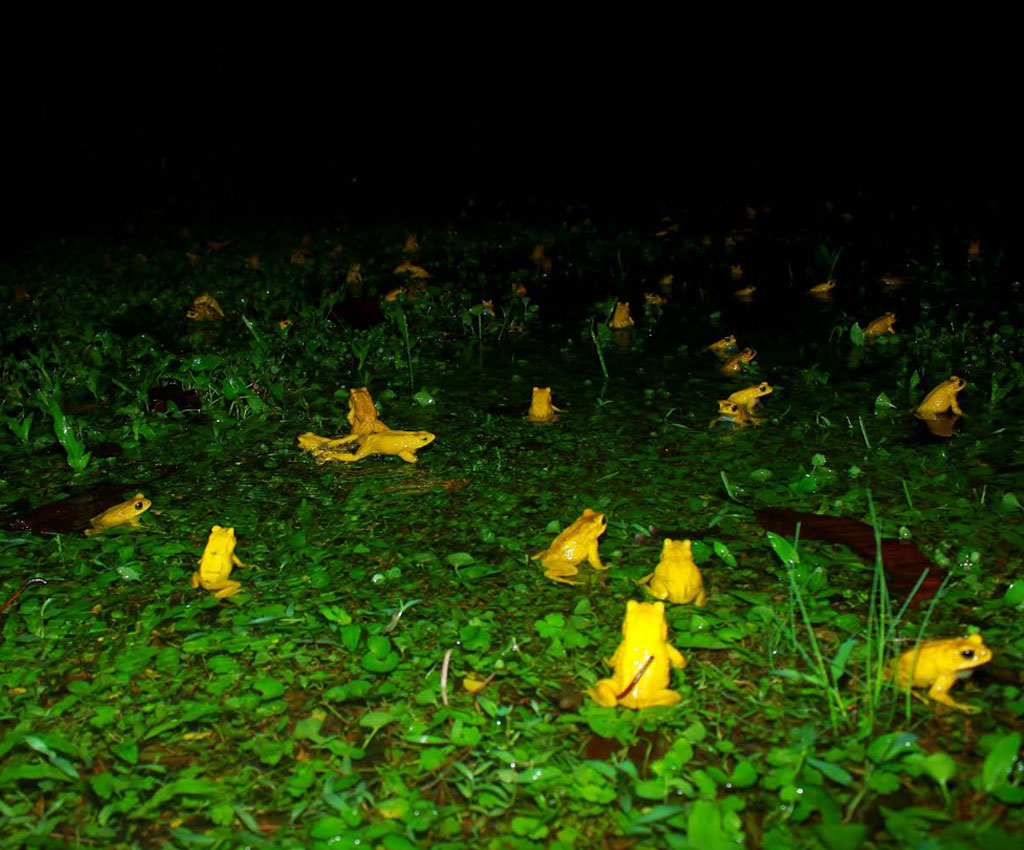
One rainy morning at ARRS, I was snug in bed, blanket pulled up to my face, when Mahabala Anna, our cook, barged into my room. It was around 7:15 a.m., and his excitement was unusual—he doesn't wake me for just anything. Instantly, I knew something special was up. He said there were thousands of frogs at the arecanut plantation. I raced to the arecanut plantation, and there it was, a 25-foot stretch of bright yellow. The short nosed toads were congregating for mating. Males turn yellow and call for females, and seeing so many in one place was mind-blowing. I quickly called our volunteer Keerthana to witness the spectacle. We sat in awe for over an hour, amazed by every toad.
Sometimes, luck puts us in the right place at the right time. Later that day, teachers and students from my college arrived at ARRS, just missing the toad congregation as they began to disperse. I showed them the photos, and they hoped to see it the next day. That night, we went on a rainy night trail and spotted Malabar pit vipers, vine snakes, and many frogs. The downpour forced us back after an hour. After dinner, most students went to bed, but a few of us, still excited, ventured out again. At midnight, we heard croaking and returned to the plantation. To our amazement, there were even more toads than in the morning. We sat there, captivated, not wanting to leave. Sadly, most of the group missed it, proving once again that sometimes it's all about being in the right place at the right time!
Written by: Rithan Bopanna
Photograph by: Deepak Naik
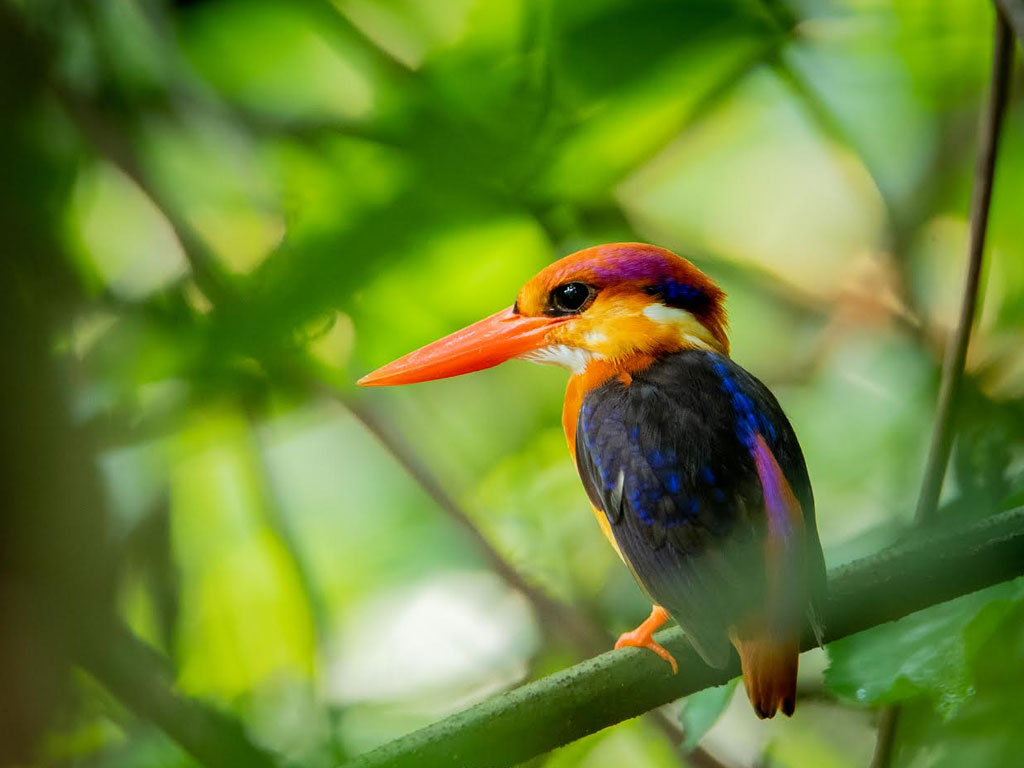
Tobias and I found ourselves walking back to base with a sense of disappointment. We had no sign of the slender loris we hoped to spot. Let's check out the jeep trail, he suggested. I agreed, figuring it couldn't hurt to give it one last shot before calling it a day. We made our way along the familiar path, and suddenly, I froze. What is it? he whispered. My hands pointed towards a tiny, vibrant creature. It was an oriental dwarf kingfisher. Oh my god, what insane beauty. No wonder they are called colour bombs! We held our breath, not wanting to disturb the magnificent creature before us. In that moment, time seemed to stand still, and all the disappointments of the day melted away.
Written by: Rithan Bopanna
Photograph by: Mahim Bhat
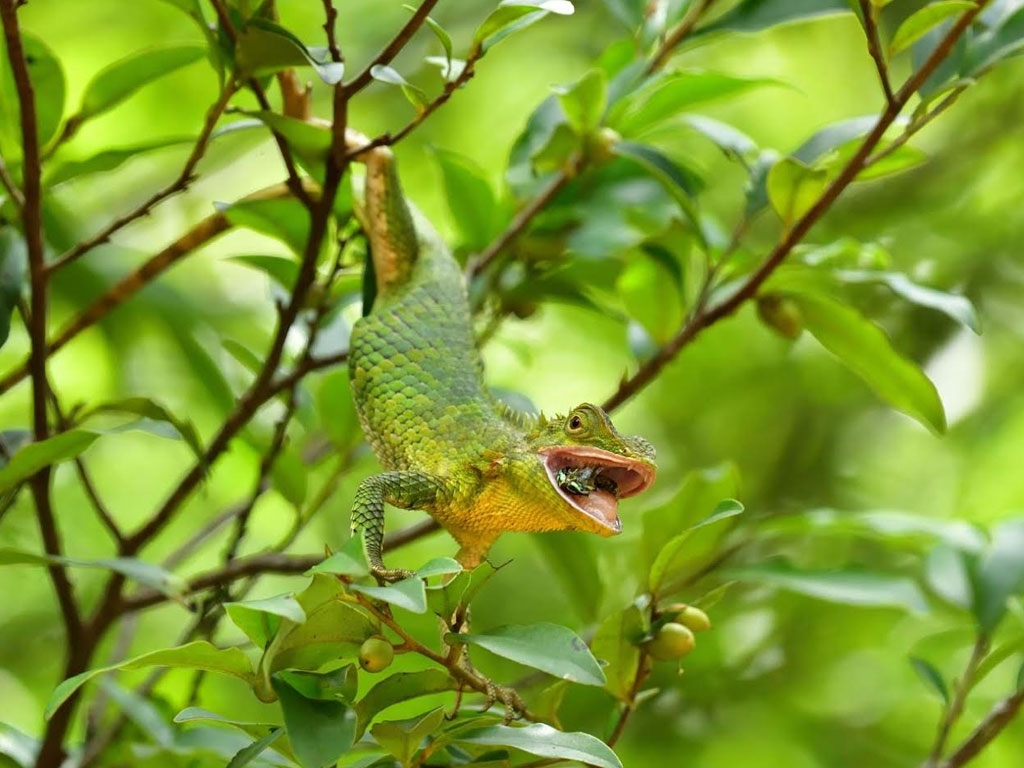
After a long day of accompanying the field director for snake rescues, I was exhausted. But there was something that was urging me to go and herp. As I wandered around, I noticed spiders everywhere. While making my way back to base, I randomly stumbled upon an incredible lichen-mimicking spider that left me awestruck. Little did I know, a Nilgiri forest lizard was roosting nearby. I was ecstatic when I realized it was a lifer for me! That day felt complete. A few days later, I was in for another treat. I found another Nilgiri forest lizard relaxing on a pole in our dining area.
Written by: Rithan Bopanna
Photograph by: Gautam Bhupathiraju
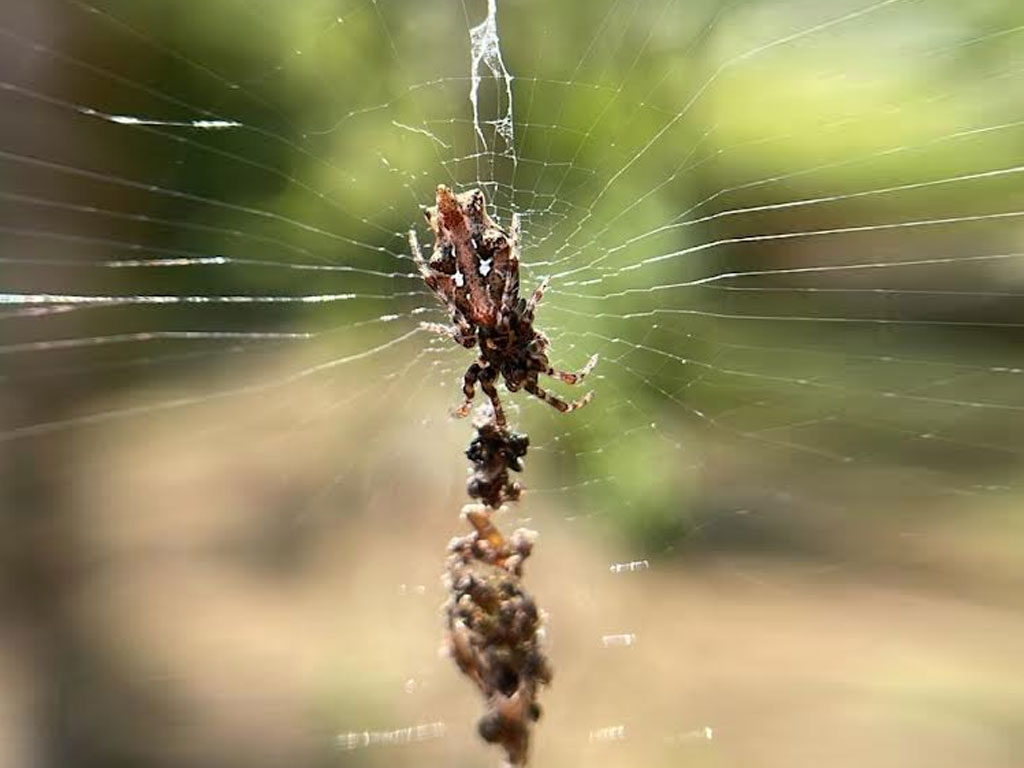
We always say nature never fails to surprise us. Here's one such incident that amazed me.
On a sunny day, I found myself wandering around the areca plantation at ARRS. My goal was simple: to catch a glimpse of flying lizards. As I ventured a little deep into the plantation, a web drew my attention. At first glance, it appeared to be nothing more than a collection of debris caught in the breeze. But something about it piqued my curiosity. On a closer look, I realized it was a tiny spider perfectly camouflaged. I took a blurry shot out of excitement and sent it to my friend Jithesh bhai to identify. He answered it's a debris orb weaver, a spider skilled in adorning its web's centre with debris for camouflage and protection against predators. What an incredible tactic! I was reminded once again, that even in the most unexpected of places, there lies a beauty everywhere, waiting to be discovered.
Written by: Rithan Bopanna
Photograph by: Rithan Bopanna